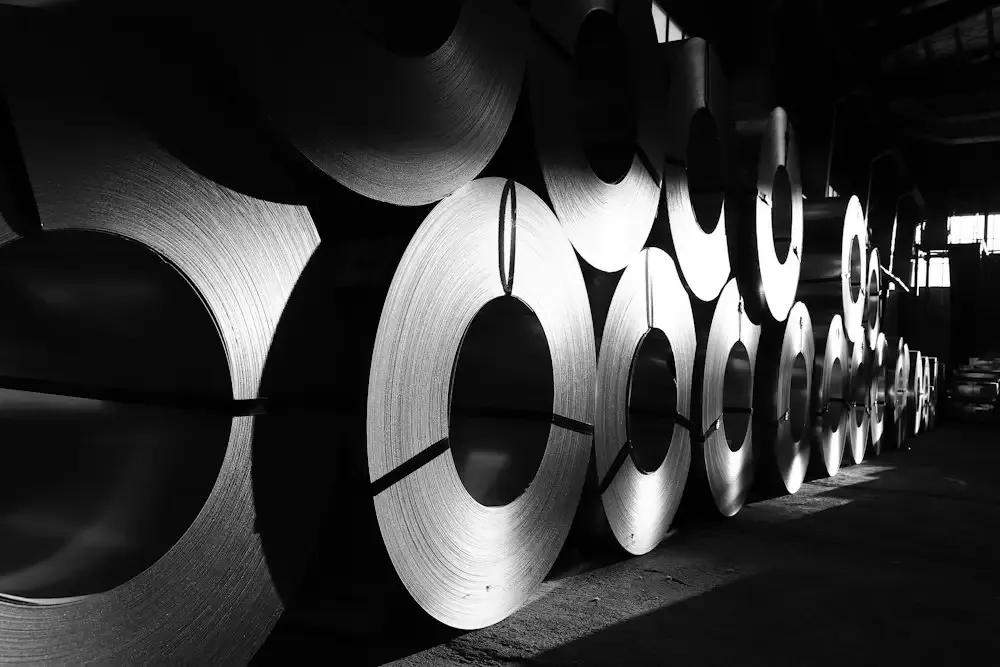
 Steel
Key facts
- Cold rolling hardens strip. Annealing restores ductility, and temper rolling (skin pass) sets flatness and surface.
- Full Hard coil is not annealed: strong and hard, not meant for forming. Annealed coil is the forming condition.
- EN 10130 (DC01 to DC07) sets surface quality A or B and finish b, g, m or r, normally skin-passed and oiled.
- Skin passing reduces stretcher strain marks, but long storage can affect formability, especially DC01.
- Sourced here: 0.20 to 3.00 mm (0.008 to 0.118 in) [0.008 to 0.118 in] thick, 600 to 1600 mm (23.62 to 62.99 in) [23.6 to 63.0 in] wide.
Why does cold rolled strip need annealing?
Cold rolling reduces pickled hot rolled strip to a thinner gauge with a better surface, but the steel is rolled below its recrystallization temperature, so it hardens as it is reduced. The rolling stress builds up in the microstructure, and the strip loses ductility. IspatGuru states it plainly: the steel needs to be annealed to soften it and make it more formable. Annealing relieves the stress and restores ductility. Wikipedia describes the same process in three stages: recovery, where dislocations and internal stresses are removed, recrystallization, where new strain-free grains form, and grain growth. The aim in coil production is the first two, a soft, uniform, formable structure. This guide gives no annealing temperatures, because they belong to the mill’s process and the grade.
How the coil passes through the furnace differs between mills. The sources we checked mention a batch annealing stage in which coils are annealed as loads, and skin pass mills placed directly in line at the exit of a continuous annealing line. We do not compare the two routes here, because neutral sources do not rank them. What you receive is defined by the condition, grade and standard, so specify those. The wider comparison with hot rolled strip is in hot rolled vs cold rolled coil.
What does temper rolling (skin pass) do?
After annealing the strip receives a very light final cold rolling pass. IspatGuru gives its reduction as typically 0.25% to 1.0%. It does four jobs:
- It improves flatness and corrects gauge inconsistency.
- It gives a smooth surface, and the roughness is set by the roll surface, which matters for deep drawing and paint adhesion.
- It removes the yield point phenomenon, the excessive stretching and wrinkling that can appear in later forming.
- It lets the mill deliver the coil with a defined surface finish, then oiled with a rust preventive oil.
What is stretcher strain, and why does storage matter?
Low-carbon steel can show a yield point: when stretched, deformation starts as a localized band that spreads through the part, and the marks it leaves are called stretcher-strain marks or Lüders bands. Wikipedia attributes the effect to interstitial atoms such as carbon and nitrogen that gather around dislocations and lock them, and notes that the bands can return over time as those atoms diffuse back. Deep drawing sheet is therefore often cold rolled lightly in advance, which is what the skin pass does.
EN 10130 says the same in its own terms: skin-passing reduces stretcher strain marks, grades DC06 and DC07 typically do not show them, and prolonged storage may affect formability, particularly DC01. In practice, order annealed coil for the forming schedule you have, and do not hold DC01 for long periods before it is formed.
What do EN 10130 surface quality and finish mean?
EN 10130 applies to cold rolled, uncoated low carbon steel flat products in rolled widths of 600 mm (23.62 in) and over, for cold forming. The grades run from DC01 to DC07, and our cold rolled coil page lists DC01 and DC03 to DC06. DC03 and the higher grades are specified as aluminium fully killed. The current standard text is paywalled, so the table below is limited to what the BSI and iTeh abstracts and previews state.
| Item | Options | What it means |
|---|---|---|
| Surface quality | A or B | B is the better surface, for high appearance or coating needs |
| Finish | b, g, m, r | Bright, semi-bright, normal, rough; limits in the full standard |
| Skin pass | Normal delivery | Skin passed unless agreed otherwise |
| Oiling | Normal delivery | Neutral, non-drying oil unless agreed otherwise |
| Designation example | EN 10130 DC01 A m | Grade DC01, quality A, normal finish |
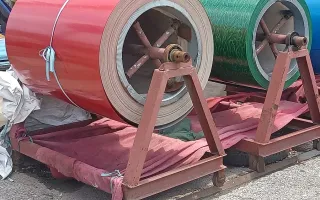
The finish limits are measured as roughness, and the abstract gives overlapping ranges, so we quote the letters only and ask you to confirm the values in the standard. Surface quality B is the choice for parts that will be visible or coated, such as the base for galvanized coil and prepainted steel coil, where the cold rolled strip is the substrate. The wider grade naming is explained in the steel coil standards guide.
Full Hard or annealed, and how to specify it
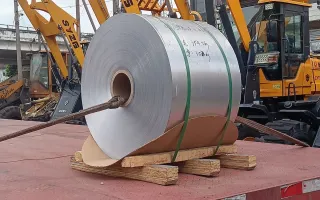
Choose annealed coil (annealed and temper rolled) for parts that are bent, drawn or pressed, such as appliance and furniture parts. Choose Full Hard coil when strength matters more than forming, or when you will process the strip further yourself. Oil is a temporary rust preventive: keep coil dry and covered, and see packing and container loading for how coil travels.
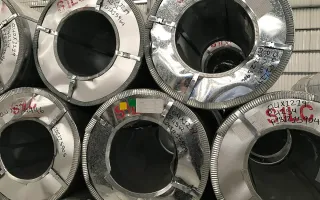
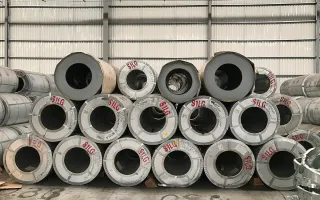
State in the enquiry: thickness and width in millimetres, Full Hard or annealed, the grade, surface quality and finish, oiled or not, full-width or slit, coil inner diameter (508 to 610 mm (20.00 to 24.02 in) [20.0 to 24.0 in]) and maximum weight (up to 30 tonnes [about 66,000 lb]), quantity and destination. EN 10130 excludes narrow strip below 600 mm (23.62 in), so for slit widths agree the tolerance at enquiry: see slit coil vs full-width coil. Request a quote; the quotation comes within 12 hours at the latest. Reinwent is a trading and sourcing company that sources coil from manufacturers in Türkiye.
Related coil guides: coil thickness and width; steel coil grades; galvanized coil finish and spangle.
Read next: what is cold rolled steel, pickled and oiled steel, what is hot rolled steel.