 Steel
Key facts
- Spangle is the crystal pattern of the zinc on the surface. Regular spangle is large and well defined, minimized spangle is smaller, and zero spangle is a uniform zinc-iron alloy surface.
- In EN 10346 the order designation carries the coating finish (N or M), the surface quality (A, B or C) and the surface treatment (C, O, CO, P, PO or S).
- Skin passing (temper rolling) flattens surface irregularities such as dross and grain boundaries on galvanized strip.
- Passivation and oiling give only temporary protection during transport and storage, and the protection from oiling depends on storage time.
- White rust (wet storage stain) comes from wet or humid storage, so a dry coil matters more than any surface treatment.
What is spangle, and what are the types?
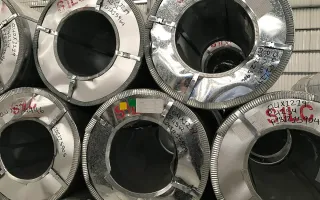
Spangle is the crystalline pattern that can be seen on hot-dip galvanized steel. It forms as the zinc freezes on the strip after the bath, and each visible facet is a zinc grain. Galvanized coil with a large, bright spangle is the look most people picture, but the pattern can be controlled, and the finish is chosen for appearance and for what happens to the coil next.
IspatGuru describes the controls. The cooling rate sets the grain size, with rapid cooling giving a small spangle. Small additions to the zinc, such as lead and antimony, produce well-defined spangle effects, and a flat spangle without relief (suppressed spangle) can be made with small antimony additions. Spraying the molten zinc with dust, steam, air or water before it freezes gives smaller grains, which is how minimized spangle is made. A thermal treatment after coating converts the free zinc into a zinc-iron alloy, which gives a spangle-free surface that suits painting.
| Type | How it is made | Look | Suits |
|---|---|---|---|
| Regular spangle | Normal freezing of the zinc, grain size set by cooling | Large, well-defined crystals | Uses where appearance is not specified |
| Minimized spangle | Molten zinc treated before it freezes to give smaller grains | Small grains, less contrast | Parts that will be painted or need an even look |
| Zero spangle | Thermal treatment after coating turns the zinc into zinc-iron alloy | Uniform, matt, no visible crystals | Painting, sometimes without pretreatment |
Zero spangle has a limit: IspatGuru notes that the zinc-iron alloy is brittle and can powder when severely bent. The same source says that finer grains are less visible through paint. Neither the standard nor the sources consulted treat spangle as a measure of corrosion protection, which depends on the coating mass. For how coating mass is stated, see the galvanized versus Aluzinc coil guide.
What do the EN 10346 surface letters mean?
EN 10346 covers continuously hot-dip coated flat steel products for cold forming. In its list of information the purchaser gives, the designation ends with three surface items after the coating mass: a letter for the coating finish, a letter for the surface quality, and a letter for the surface treatment. The standard’s own order example reads DX53D+Z100 followed by M, B and O, which it describes as minimized spangle, surface quality B and oiled. The preview text of the standard available to us shows the letters and where they apply, and the full clause text is paywalled, so this guide does not restate the class definitions. Ask the mill to write out what each letter delivers.
| Item | Letters | What it controls |
|---|---|---|
| Coating finish | N, M | Spangle of zinc-coated products (M is minimized spangle). Pronounced spangle is an order option. |
| Surface quality | A, B, C | Class of surface appearance. Quality A without skin passing is an order option. |
| Surface treatment | C, O, CO, P, PO, S | Chemical passivation, oiling, both, phosphating, phosphating with oil, or sealing |
The standard also lists as options the selection of the protective oil and the type of sealing coating, so both can be specified when the default does not suit your process. Surface quality and the treatment letters are the part of the order that the mill cannot guess for you, so state them every time.
What do skin pass, passivation and oiling do?
Skin pass. Skin passing, also called temper rolling, is a light cold rolling of the strip. IspatGuru says galvanized sheet can be temper rolled to flatten surface irregularities such as dross and grain boundaries. The standard treats it as part of normal surface quality, since leaving it out for quality A is listed as an order option. For the same operation on uncoated strip, see the hot rolled versus cold rolled coil guide.
Chemical passivation. A passivation film is a thin treatment applied to the fresh zinc surface. IspatGuru describes chromate passivation as a simple finish whose main benefit is resistance to staining when galvanized sheet is stored under wet or humid conditions, and says the film can look greenish or greenish-yellow. Treated coil is not for painting: IspatGuru states that zinc sheet to be painted is not to be chromate treated at the coating unit.
Oiling. Oil is applied to the coil surface to protect it in transit. The standard is cautious about all of these films. Any surface protection gives only temporary corrosion resistance during transport and storage, colour changes can occur, and protection by oiling depends on storage time, because the oil film becomes uneven and bare spots can develop. Different oils can behave differently.
Phosphating and sealing. The standard lists phosphating (P), phosphating with oil (PO) and sealing (S) as further treatments. IspatGuru adds that phosphate treatment can improve paint adhesion. The sealing coating type is an order option, so name it if you need it.
How do you avoid white rust and storage problems?
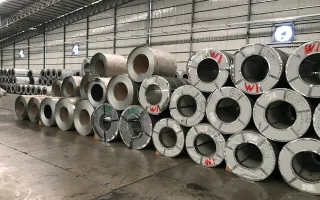
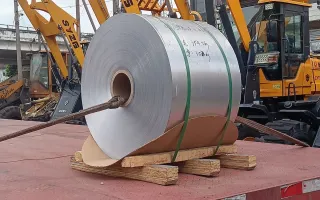
White rust, or wet storage stain, is a bulky white deposit that frequently forms on zinc surfaces stored under wet or humid conditions. IspatGuru says that airtight plastic coverings are to be avoided, and that mill-applied films help to deter the stain. A dry store, a covered load and quick use are the real protection. EN 10346 adds two storage points: the coating surface can change to a dark appearance by oxidation, and formability can fall with ageing, so the user should process the coil as soon as possible after receipt. These are normal changes to plan for, not defects by themselves. For shipping, lashing and container weather risks, read the coil packing and container loading guide.
How does surface finish affect painting?
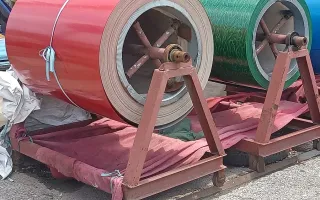
Hot-dip galvanized steel can be painted, but it needs preparation. IspatGuru says that on hot-dip galvanized steel special corrosion-inhibitive primers are needed, because the smooth surface gives no mechanical key and moisture can weaken the bond, and that phosphate treatment can improve adhesion. A minimized or zero spangle surface gives a more even base. EN 10346 products can be the substrate for the organic coated products of EN 10169, which is the route to prepainted steel coil; the system itself is covered in the prepainted coil paint systems and RAL colours guide. If the coil is for your own painting or coil coating, say so in the enquiry, because that decides the treatment letter.
How should you specify the surface of galvanized coil?
Use this order of information, which follows the standard’s list and is also how a mill reads an enquiry:
- Steel grade and coating, such as DX51D+Z275 (see the steel coil standards guide for the naming).
- Spangle: regular, minimized or zero.
- Surface quality letter and whether skin passing is wanted.
- Surface treatment: passivated, oiled, both, phosphated or none, and the oil if it matters.
- Thickness and width in millimetres, full-width or slit coil, quantity, destination, and the end use.
For a coil that will go to an Aluzinc-type use or needs an aluminium-zinc finish, compare with Aluzinc coil. Reinwent is a trading and sourcing company that sources coil from manufacturers in Türkiye, and the whole range is on the steel coil page. Send the surface requirements with your quote request.
Related coil guides: coil thickness and width; steel coil grades; cold rolled coil annealing.
Read next: what is galvanized steel, galvanized vs stainless steel.