 Steel
Key facts
- Galvanization is the application of a protective zinc coating to steel or iron to prevent rusting.
- Wrought iron is no longer produced on a commercial scale, and mild steel took over most of its uses.
- Steel is an alloy of iron and carbon, and mild steel has a relatively low tensile strength and is ductile.
- ASTM A641 covers zinc-coated carbon steel wire in coils, in soft, medium and hard temper.
- The life of a zinc coating rises in line with its thickness.
Short answer: one product, two names
Search results for this question contradict each other, because the two names come from two different eras. Galvanization is defined as applying a protective zinc coating to steel or iron, and early examples were indeed galvanized iron. The word stayed in the trade after the metal changed.
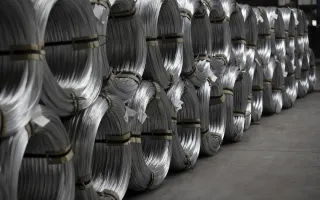
For wire sold today, the practical answer is simple. A wire called galvanized iron wire, GI wire or galvanized steel wire is a drawn steel wire with a zinc layer on it. The labels differ by country and by habit, not by metallurgy. The sections below explain why, and then list what really separates one galvanized wire from another.
What the terms mean in trade
Galvanized steel wire is the technically correct name. ASTM A641 calls its subject zinc-coated (galvanized) carbon steel wire, which names the base metal and the coating in one phrase. Galvanized iron wire and GI wire are older labels for the same thing, and you will meet them in enquiries, marketplace listings and tender documents from many markets.
Our explainer on what GI wire is covers the name in depth. This page takes the buying angle: what should the specification say?
Why the word iron survives
Wrought iron is an iron alloy with a very low carbon content, containing fibrous slag inclusions. It was the everyday material for wire, sheet and structures until cheaper steelmaking arrived. Once steel could be made cheaply, the use of wrought iron declined, and steel replaced it in structural work. Wrought iron is no longer produced on a commercial scale, and mild steel is regarded as its modern equivalent.
Trade names do not follow metallurgy. Merchants kept asking for galvanized iron because that was the name of the product, and the name was passed on to the steel that replaced it.
What is under the zinc
Steel is defined as an alloy of iron and carbon, often with other elements. The carbon is what sets steel apart from the low-carbon wrought iron of earlier times. Carbon also controls how the metal behaves. Mild, low-carbon steel is malleable and ductile, with a relatively low tensile strength, which is why it draws into wire and bends without cracking. As carbon content rises, steel can be made harder and stronger, but it becomes less ductile.
For galvanized wire the base steel is therefore a carbon steel. Sources disagree on the exact carbon limits of “low carbon”, and the figure depends on the standard and the grade, so this guide does not quote one. If the carbon content or the steel grade matters to your application, put it in the request and ask each supplier to confirm it in writing.
What the zinc does
Zinc protects the steel in two ways. It acts as a barrier that keeps air and moisture off the surface, and it corrodes first where the coating is scratched, cut or defective. Hot-dip galvanizing dips the part into a bath of molten zinc and leaves a layer bonded to the steel. The service life of a zinc coating is a linear function of its thickness, so more zinc on the wire means longer protection in the same environment.
Because the zinc is the same whether the label says iron or steel, the coating is stated as a mass in g/m² of wire surface. Our guide to zinc coating classes shows the tables of each standard.
What actually matters when you buy
If the name does not decide the product, these five items do.
- Base steel. A carbon steel suited to drawing. Name the grade if your application needs one.
- Tensile strength and temper. ASTM A641 names three tempers, soft, medium and hard. The temper sets how stiff the wire is and how it handles in use.
- Zinc coating. A class, or a coating mass in g/m², tied to a named standard and the wire diameter.
- Standard. EN 10244-2 for the coating on steel wire, ASTM A641 for zinc-coated carbon steel wire in coils.
- End use. Tying, binding, farm use or industrial bundling each lean on a different temper and coating, as our guide to galvanized wire uses shows.
Strength is a property of the steel, not the name
Asking which is stronger compares labels. Zinc is a thin coating and the steel carries the load, so strength follows the base steel and the temper it was drawn to. Compare offers on the tensile requirement or the ASTM A641 temper, and treat any claim that “iron wire” is stronger or weaker than “steel wire” as noise.
Galvanized iron vs galvanized steel: side by side
| Point | Galvanized iron wire / GI wire | Galvanized steel wire |
|---|---|---|
| What it is today | Zinc-coated carbon steel wire, under an older name | Zinc-coated carbon steel wire, under the technical name |
| Base metal | Steel, not wrought iron | Steel |
| Standard behind it | EN 10244-2 and ASTM A641 apply | EN 10244-2 and ASTM A641 apply |
| What sets strength | Base steel and temper | Base steel and temper |
| What sets durability | Zinc coating mass in g/m² | Zinc coating mass in g/m² |
| What to write in the order | Diameter, coating, temper, standard | Diameter, coating, temper, standard |
The two columns match on purpose. If an offer treats them as different products, ask what differs in the specification.
Where flat products fit in
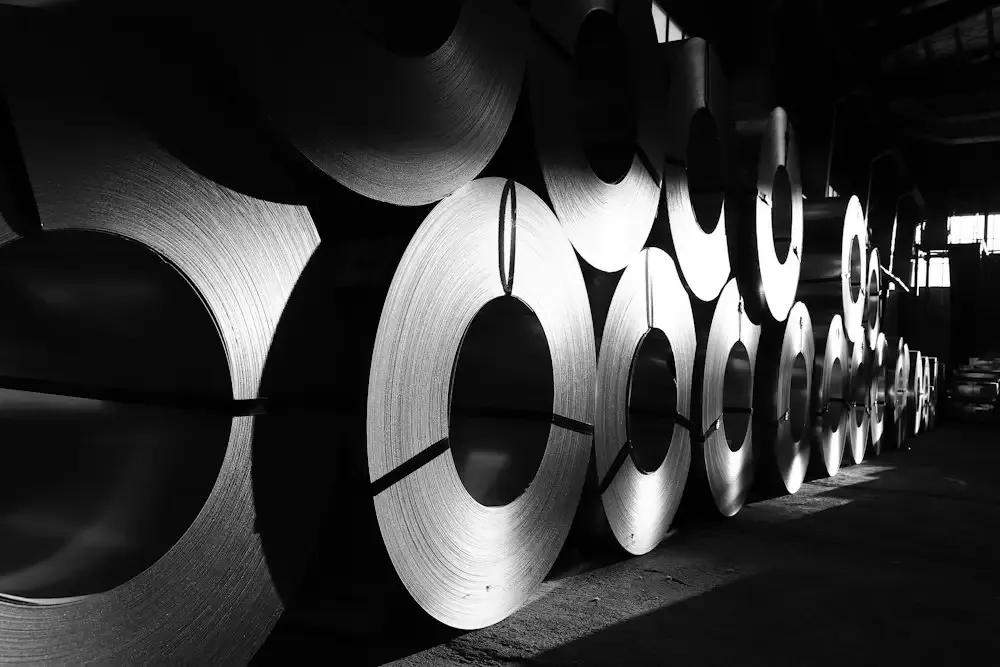
Galvanized iron also names a flat product. Corrugated galvanized iron sheet is a roofing material, and galvanized steel coil is coated strip. Neither is wire, and they follow other specifications. Say wire, with a diameter, in your enquiry.
Galvanized wire from Türkiye
Türkiye is a producer and exporter of galvanized wire, and Reinwent sources it from manufacturers in Türkiye. Reinwent is a trading and sourcing company, not a manufacturer. We gather offers from many suppliers for each order and set them side by side on one basis.
Reinwent supplies hot-dip galvanized wire in diameters from 0.8 to 8 mm, with a coating weight of 50 to 300 g/m², to EN 10244-2 and ASTM A641. Some products are available from stock. For the plain definition, see what galvanized wire is. To see how the types differ, read about types of galvanized wire; for the import side, our galvanized wire guide for importers lists the fields of an order, and galvanized wire from Türkiye shows the process to delivery.
A quotation reaches you within 12 hours, and we keep you informed through the whole process. When your specification is ready, request a quote.