 Steel
Key facts
- Galvanizing is the application of a protective zinc coating to steel or iron to prevent rusting.
- Galvanized steel is still loosely called galvanized iron, although the metal underneath is steel.
- Zinc shields the steel as a barrier and corrodes first at scratches, cut ends and small defects.
- The life of a zinc coating rises in line with its thickness.
- ASTM A641 covers zinc-coated (galvanized) carbon steel wire in coils, in soft, medium and hard temper.
What does GI wire mean?
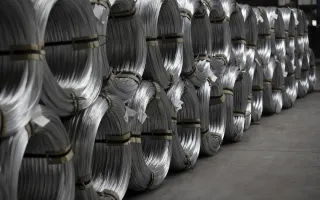
GI stands for galvanized iron, and GI wire is round wire that carries a coat of zinc. Galvanization is defined in references as applying a protective zinc coating to steel or iron so that it does not rust. The word iron is a leftover from an older era. Galvanized steel products are still loosely called galvanized iron, and the reference on corrugated galvanised iron notes that the material is actually steel even though the common name never changed.
So whichever label is on the enquiry, the product is the same: a drawn carbon steel wire with zinc on its surface. The names you will meet include:
- GI wire or galvanized iron wire;
- galvanized steel wire or simply galvanized wire;
- zinc-coated (galvanized) carbon steel wire, the wording of ASTM A641.
The steel core gives the wire its strength and its ability to bend. The zinc layer is there for one reason: to keep the steel from corroding.
GI wire is not galvanized steel coil
Searches for galvanized iron often mix up two different products, so it helps to separate them early.
| Feature | GI wire | Galvanized steel coil |
|---|---|---|
| Shape | Round wire | Flat sheet or strip |
| How it is supplied | Wound in coils of wire | Strip galvanized on a continuous line |
| Typical standards | EN 10244-2, ASTM A641 | Sheet standards, not covered here |
| Typical uses | Tying, binding, raw material for wire products | Roofing, walling and other sheet work |
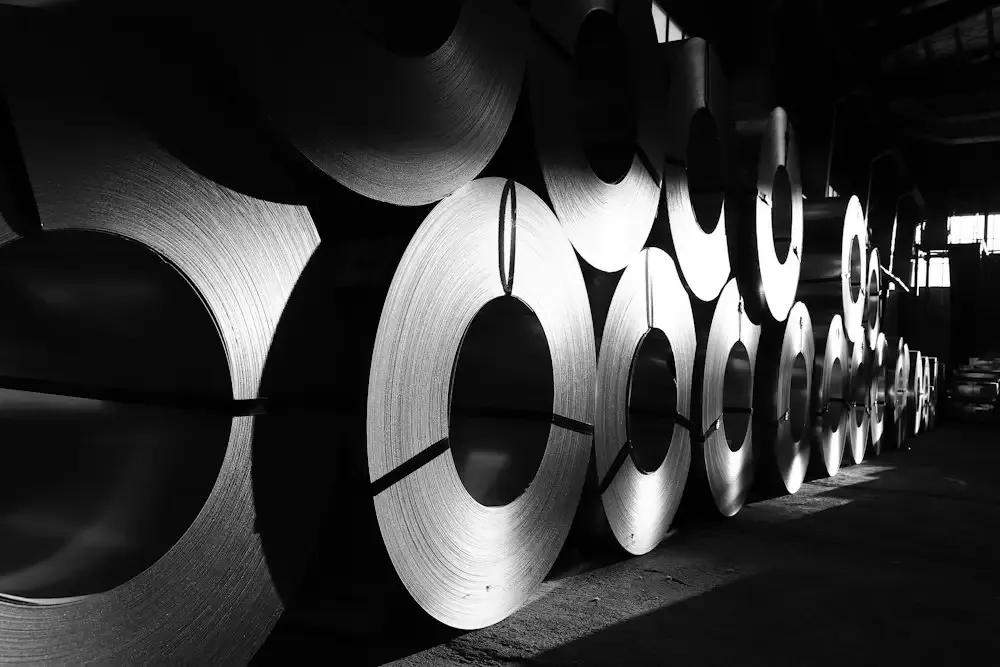
The term galvanized steel coil is commonly used for zinc-coated sheet and strip. References describe steel strip being hot-dip galvanized in a continuous line, and the American Galvanizers Association lists continuous sheet galvanizing as its own process, with the coating thickness set by an air knife. Corrugated roofing sheet is a well-known product of that family. If you are looking for sheet, this guide is not the one you need; everything below is about wire.
How is GI wire made?
At a high level the route has two parts. First the steel is drawn into wire of the required diameter. Then zinc is put on its surface. There are two main ways to do that:
- Hot-dip galvanizing. After cleaning, the steel goes through a bath of molten zinc. The zinc reacts with the steel surface and forms a thick, robust layer of zinc-iron alloys.
- Electrogalvanizing. A layer of zinc is bonded to the steel by electric current. The deposit is thinner than a hot-dip coating.
The choice between the two has a large effect on how much zinc ends up on the wire. Our guide to hot-dip vs electro-galvanized wire sets out the differences in finish and coating weight, so we do not repeat them here. The wire Reinwent sources is hot-dip galvanized.
Why does zinc protect the steel?
Zinc works in two ways at once, and that is what makes galvanized wire useful outdoors.
- As a barrier. The coating sits between the steel and the atmosphere. As long as it is intact, air and moisture are kept away from the steel underneath.
- As a sacrificial metal. Zinc is anodic to steel. Where the coating is scratched, cut or has a small defect, the zinc corrodes in preference to the steel and protects it by cathodic protection.
That second effect is the reason a cut end of GI wire does not simply start to rust from the cut. It also explains why zinc is used up over time. The American Galvanizers Association states that the service life of a zinc coating is a linear function of its thickness, so a heavier coating, stated as a higher coating mass in g/m², lasts longer in the same conditions. Our guide to zinc coating classes shows how each standard expresses that coating.
What is GI wire used for?
Galvanized wire is chosen wherever a bare steel wire would rust too fast for the job. The uses listed on our product page are:
- tying and binding in construction;
- agriculture;
- binding and bundling in industry.
Wire as a whole is also a raw material for other wire products. Reference works on wire name fencing and the wire netting industry among the main consumers of wire, and chain-link fencing is described as a woven fence usually made from galvanized steel wire. Wire mesh is used, among other things, as fence for livestock and poultry. In other words, GI wire is commonly used as the raw material for wire products such as fence and mesh. Reinwent supplies the wire itself, not finished fence or mesh products.
Which standards apply to GI wire?
Two standards cover most international orders for galvanized wire, and both are named on our product page.
EN 10244-2 specifies the requirements for coating mass, other properties and testing of zinc and zinc alloy coatings on steel wire and wire products. ASTM A641 covers zinc-coated (galvanized) carbon steel wire in coils for general use, in soft, medium and hard temper.
The two systems define their own coating classes, and those classes do not translate one into the other. Pick one standard per order and take the coating figure from it. Diameter is best given in millimetres; if a drawing gives a gauge number, convert it first with our wire gauge chart.
Buying GI wire: suppliers and manufacturers
If you came here looking for GI wire suppliers or manufacturers, the useful next step is a complete specification rather than a list of names. Our galvanized wire guide for importers walks through every order field and how to compare offers on the same basis.
Reinwent is a trading and sourcing company, not a manufacturer. We source hot-dip galvanized wire from manufacturers in Türkiye in diameters from 0.8 to 8 mm, with a zinc coating of 50 to 300 g/m², to EN 10244-2 and ASTM A641. The page on galvanized wire from Türkiye explains how ordering works, and the container loading guide for wire coils covers shipping. Every wire type we supply is listed on the steel wire hub. When your diameter, coating, standard, quantity and destination are ready, request a quote and you receive a quotation within 12 hours.